

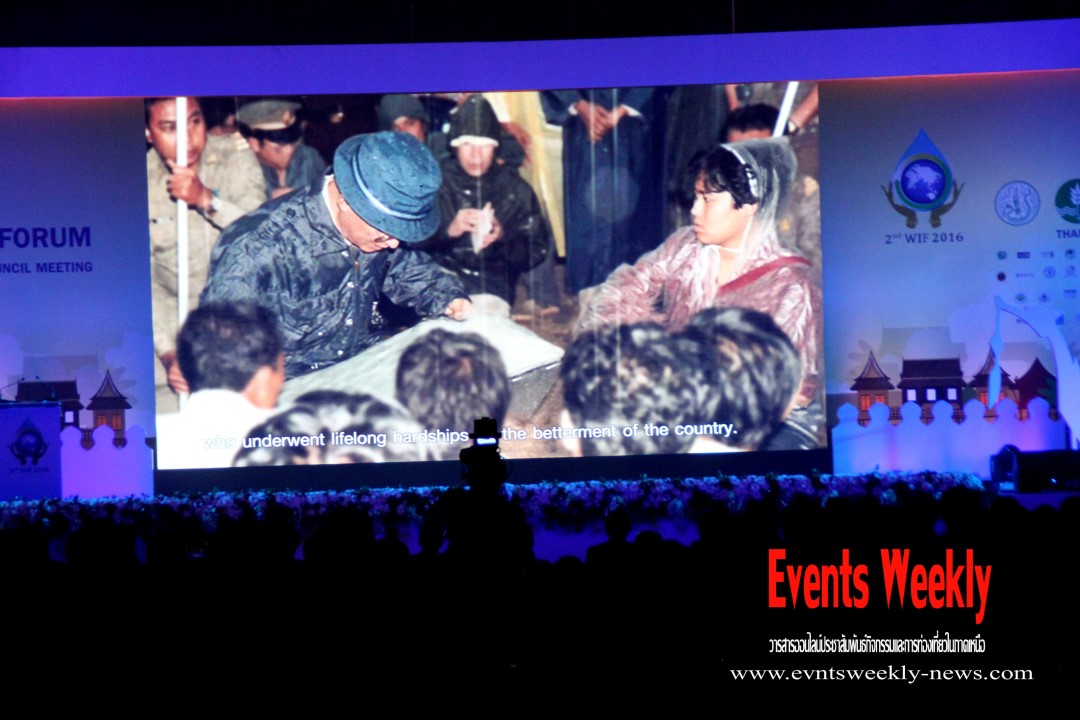
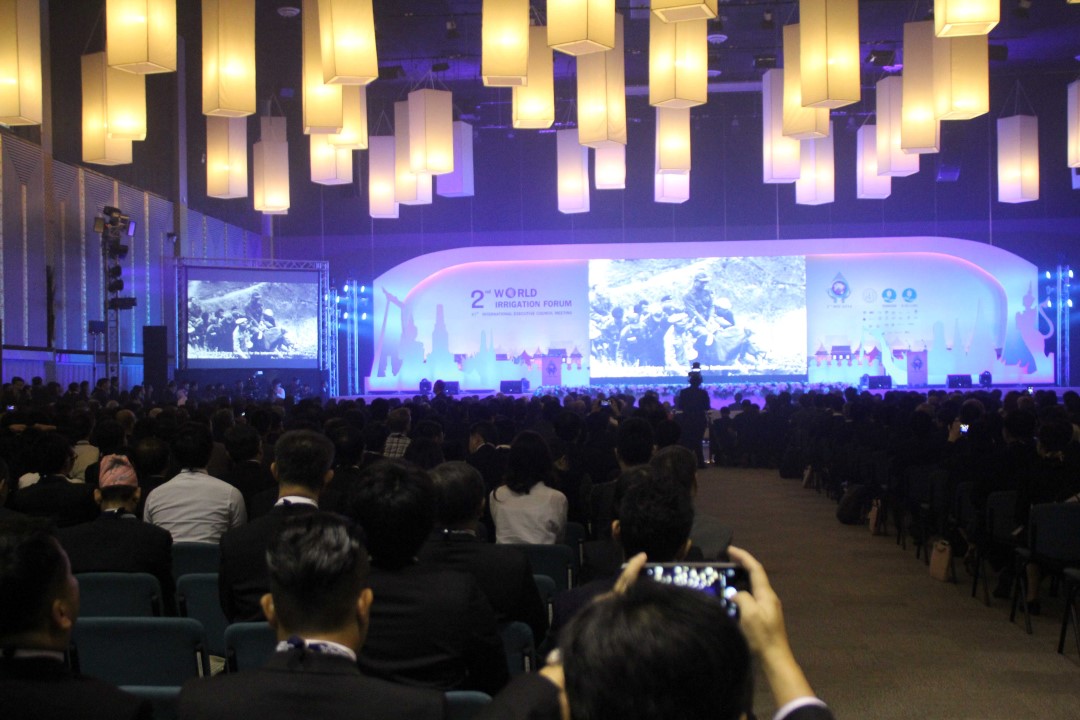
ผู้เข้าร่วมประชุม 45 ประเทศทั่วโลกกว่า 1200 คนร่วมน้อมรำลึกถึงพระมหากรุณาธิคุณในพระอัจฉริยภาพด้านการบริหารจัดการน้ำ ของพระบาทสมเด็จพระปรมินทรมหาภูมิพลอดุลยเดช ในงานประชุมชลประทานโลกครั้งที่ 2
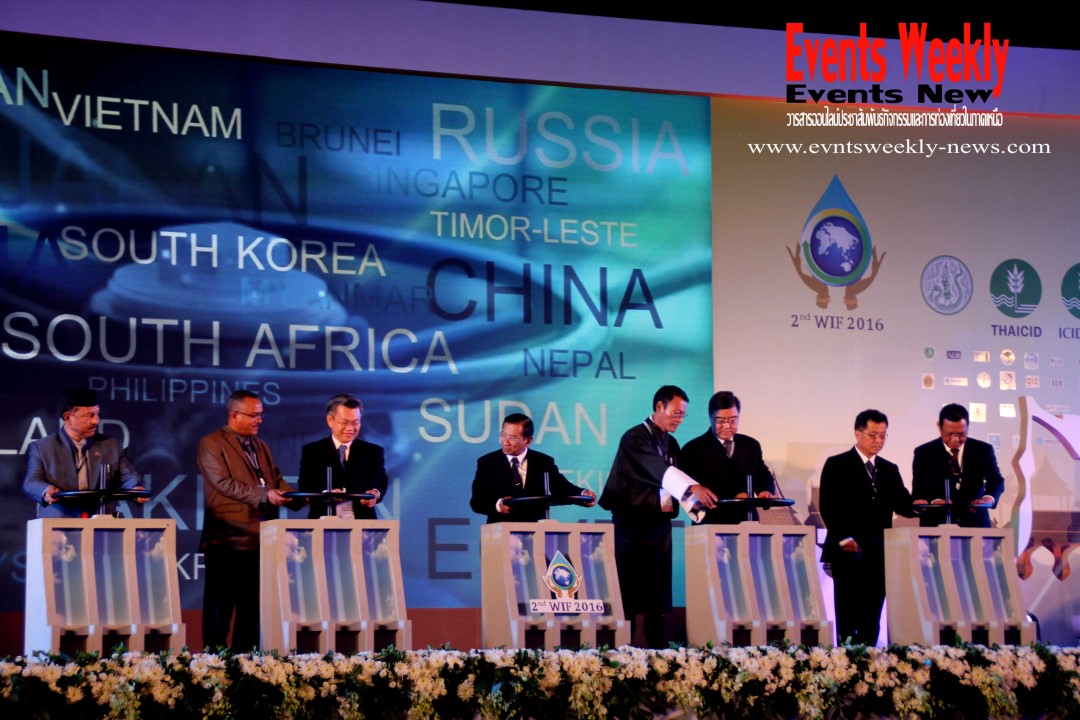
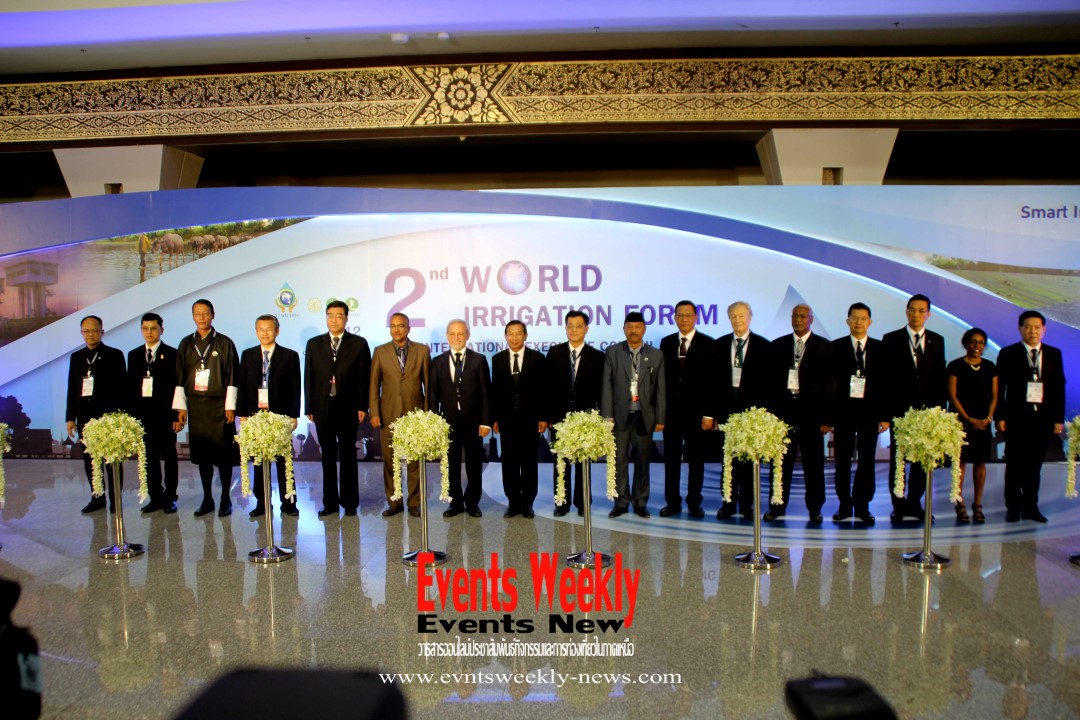
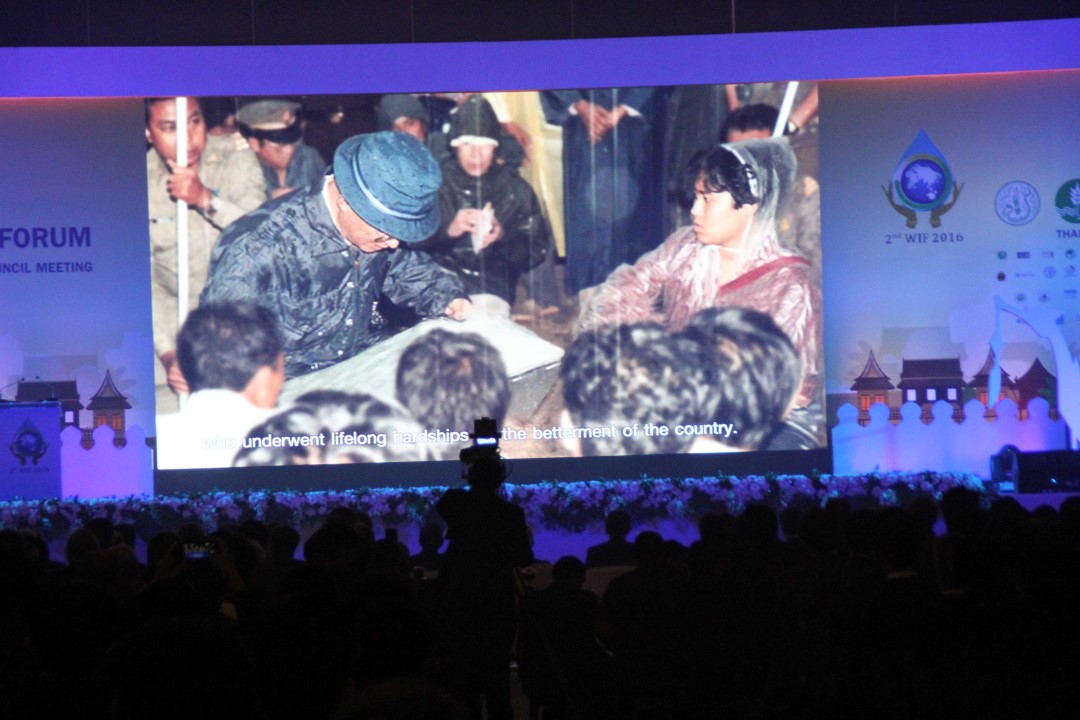
เชียงใหม่-วันที่ 6 พฤศจิกายน 2559 ณ ศูนย์ประชุมและแสดงสินค้านานาชาติเฉลิมพระเกียรติ 7 รอบ พระชนมพรรษา จังหวัดเชียงใหม่ พล.อ.ฉัตรชัย สาริกัลยะ รัฐมนตรีว่าการกระทรวงเกษตรและสหกรณ์ เป็นประธานเปิดการประชุมชลประทานโลก ครั้งที่ 2 (The 2nd World Irrigation Forum : WIF2) และการประชุมมนตรีฝ่ายบริหารระหว่างประเทศ ครั้งที่ 67 (The 67th International Executive Council Meeting : 67th IEC Meeting)
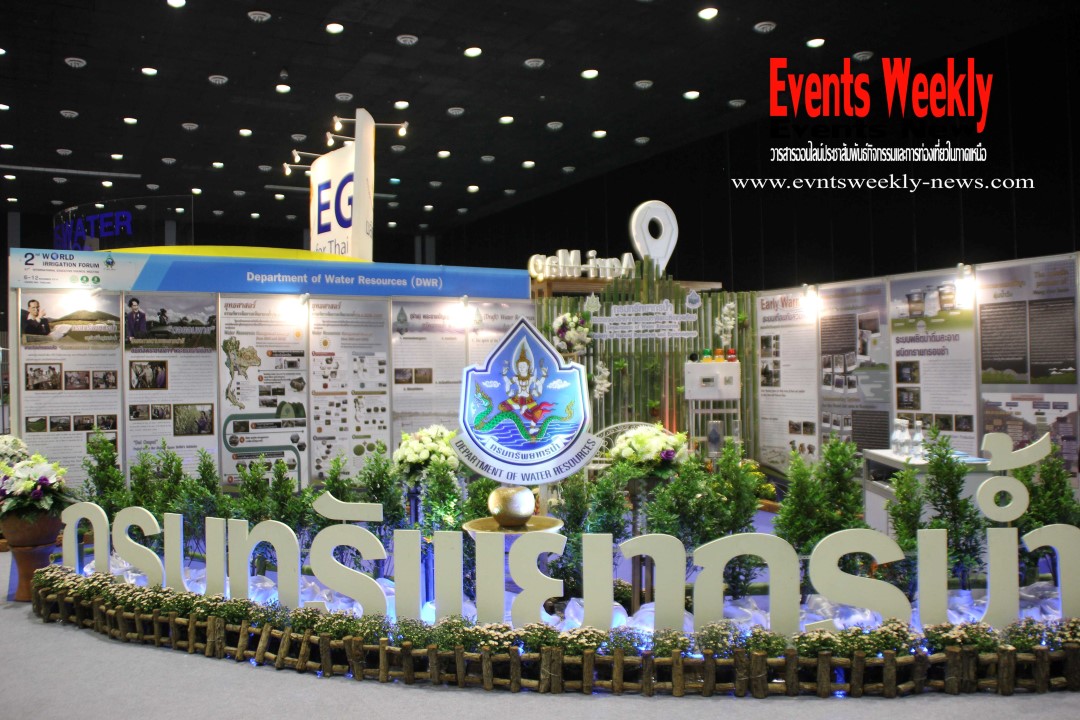
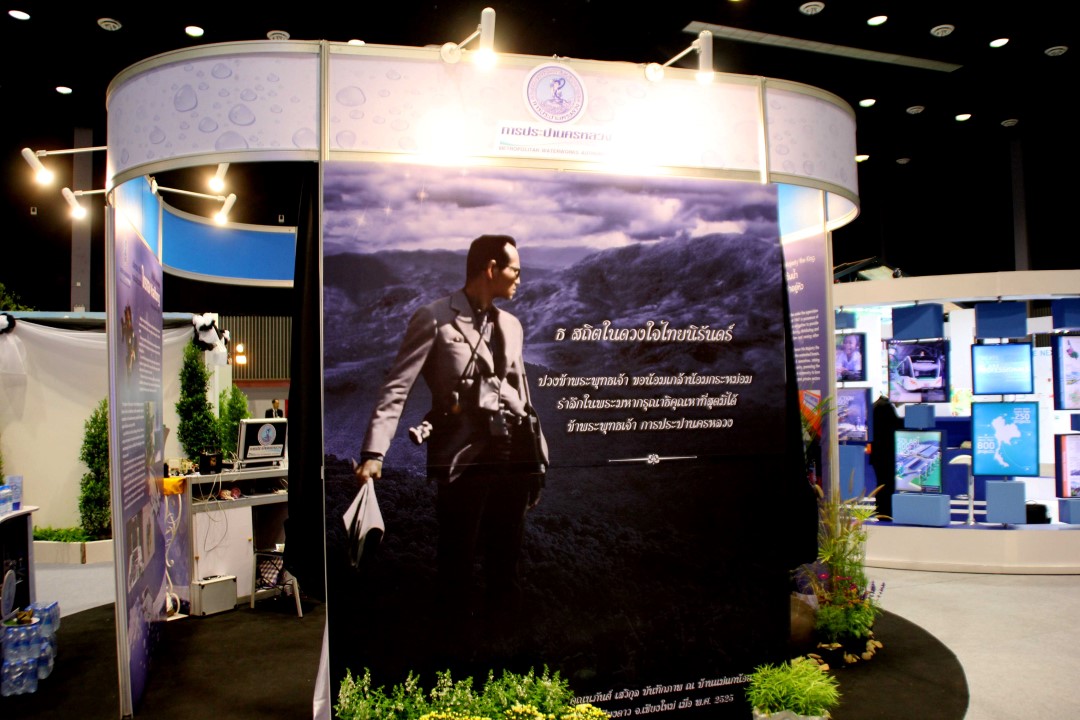
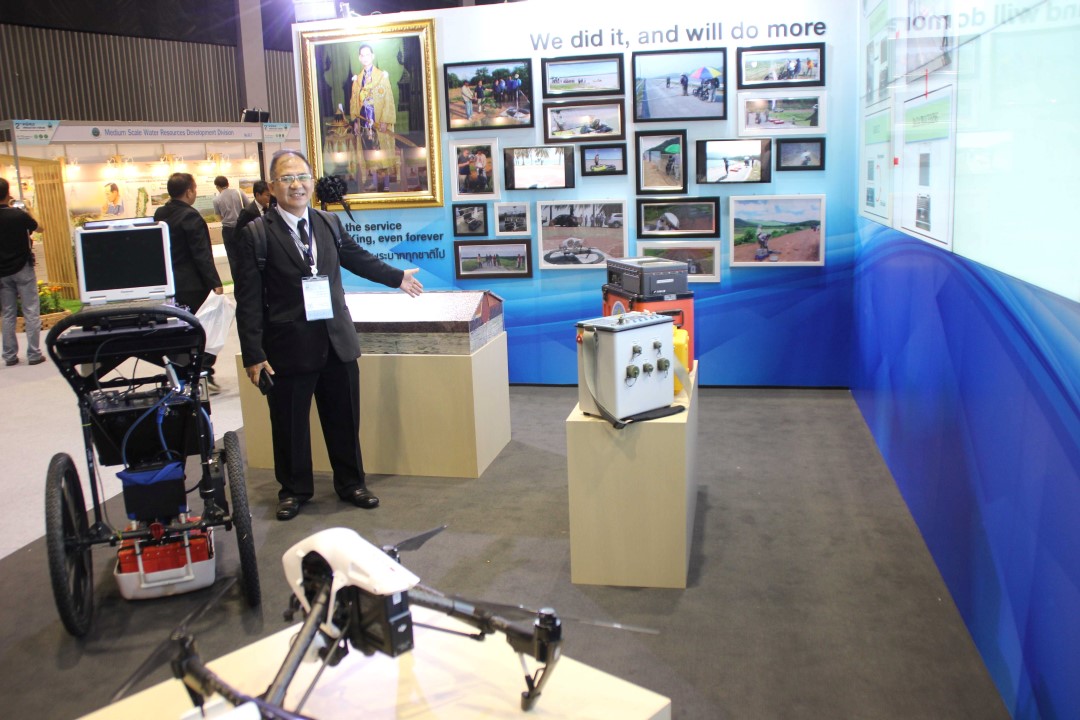
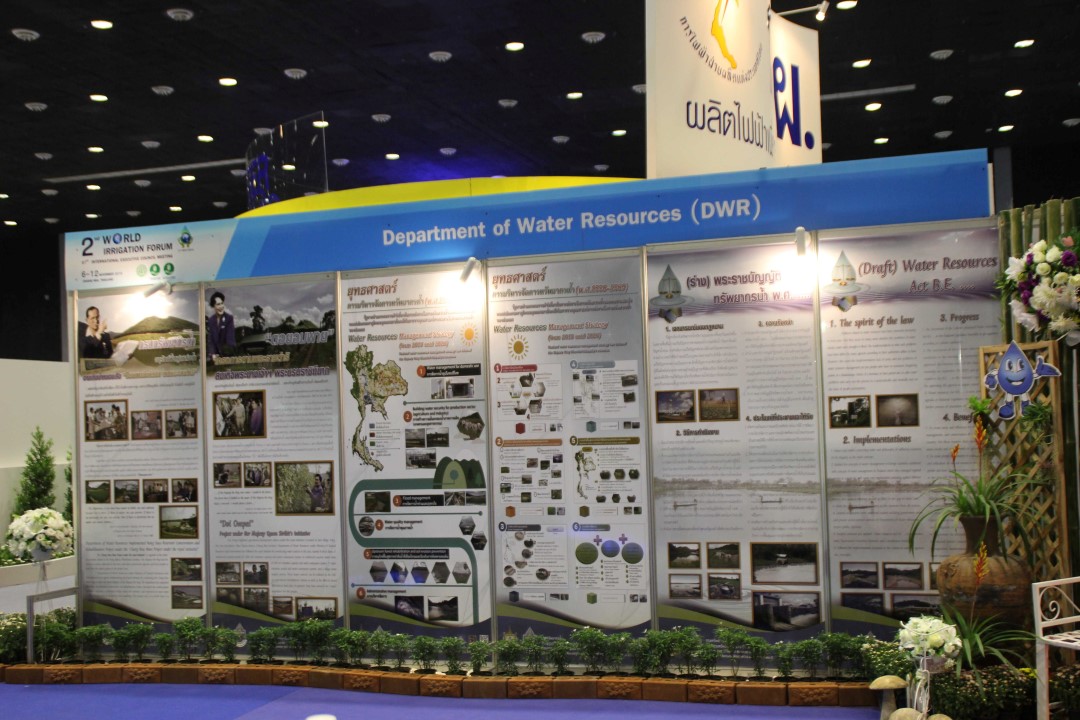
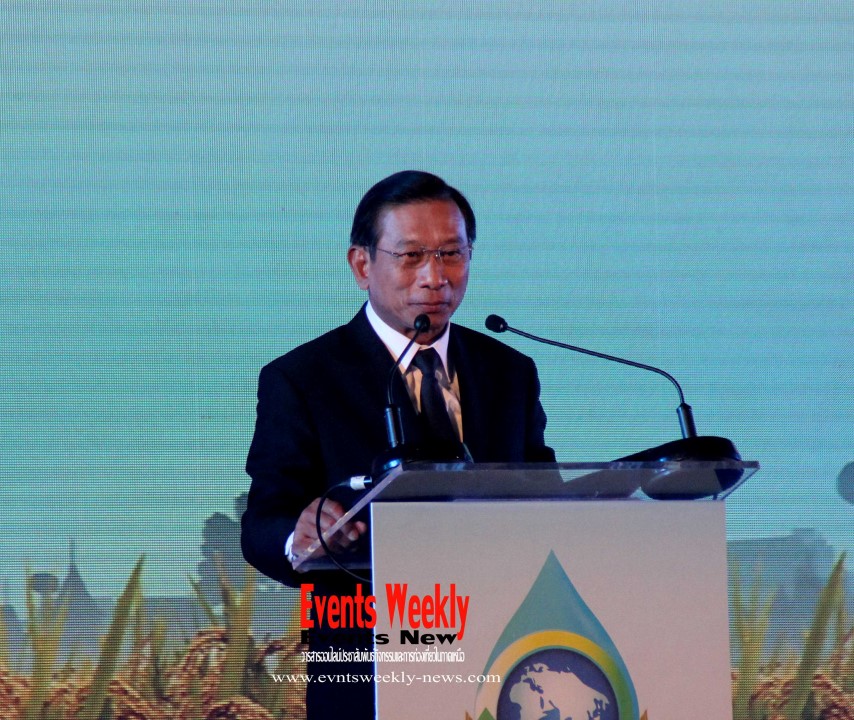 พล.อ.ฉัตรชัย กล่าวว่า การจัดการประชุมชลประทานโลก และการประชุมมนตรีฝ่ายบริหารระหว่างประเทศในครั้งนี้ นอกจากจะดำเนินงานตามหัวข้อการประชุมที่กำหนดไว้ คือ “การบริหารจัดการน้ำภายใต้สภาวะการเปลี่ยนแปลงของโลก : บทบาทการชลประทานต่อความยั่งยืนด้านอาหาร” (Water Management in a Changing World : Role of Irrigation for Sustainable Food Production) แล้ว กระทรวงเกษตรฯยังจัดให้การประชุมในครั้งนี้ เป็นการน้อมรำลึกถึงพระมหากรุณาธิคุณและพระอัจฉริยภาพด้านการบริหารจัดการน้ำของพระบาทสมเด็จพระปรมินทรมหาภูมิพล อดุลยเดช โดยจัดนิทรรศการเกี่ยวกับพระราชกรณียกิจและโครงการอันเนื่องมาจากพระราชดำริ พร้อมทั้งจัดพื้นที่ให้ผู้เข้าร่วมประชุมและประชาชน ได้ถวายสักการะเบื้องหน้าพระบรมฉายาลักษณ์ และลงนามเพื่อแสดงความอาลัย
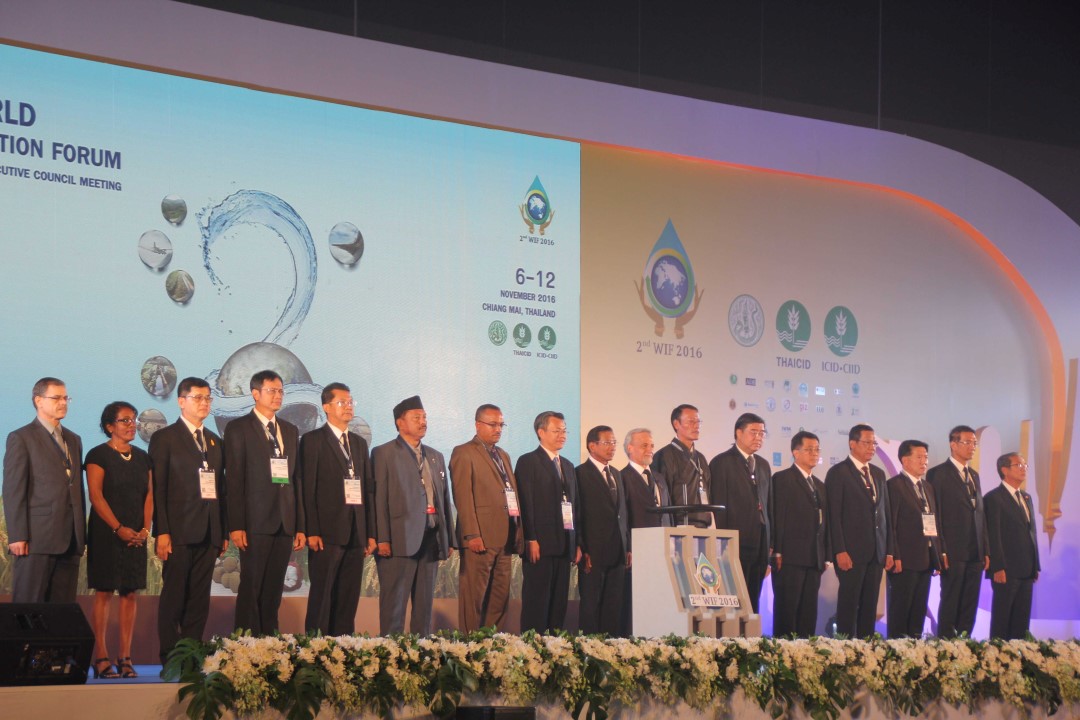 สำหรับการจัดนิทรรศการจะจัดไว้ในบริเวณ Zone 1 ซึ่งเป็นโซนเฉลิมพระเกียรติ โดยจะนำเสนอผลงานด้านบริหารจัดการน้ำ ภายใต้พระมหากรุณาธิคุณ พร้อมทั้งนำพระราชดำรัสเกี่ยวกับเรื่องน้ำที่มีความตอนหนึ่งว่า “…เรื่องน้ำนี้ก็เป็นปัจจัยหลักของมวลมนุษย์ ไม่ใช่มนุษย์เท่านั้น แม้สิ่งมีชีวิตทั้งหลายทั้งสัตว์ ทั้งพืชก็ต้องมีน้ำ ถ้าไม่มีก็อยู่ไม่ได้ เพราะว่าน้ำเป็นสื่อหรือเป็นปัจจัยสำคัญของการเป็นสิ่งมีชีวิต… ที่กล่าวถึงข้อนี้ก็จะได้ให้ทราบว่าทำไมการพัฒนาขั้นแรกหรือสิ่งแรกที่นึกถึงก็คือทำโครงการชลประทานแล้วก็โครงการสิ่งแวดล้อมทำให้น้ำดี สองอย่างนี้ อื่น ๆ ก็จะไปได้…” มาจัดแสดงไว้ร่วมกับนิทรรศการที่แสดงให้เห็นถึงพระอัจฉริยของพระบาทสมเด็จพระปรมินทรมหาภูมิพลอดุลยเดช ซึ่งจะมีคำบรรยายทั้งภาษาไทยและภาษาอังกฤษรวม 13 เรื่องด้วยกันคือ
1.นิทรรศการฝนหลวงแก้ปัญหาแล้ง เป็นการแสดงถึงพระอัจฉริยภาพที่สามารถกำหนดบังคับฝนให้ตกลงสู่พื้นที่เป้าหมายได้สำเร็จส่งผลให้พื้นที่การเกษตรและพื้นที่ป่าไม้ของประเทศไทยกว่า 173 ล้านไร่ ได้มีน้ำใช้ในการเพาะปลูกมาเป็นเวลากว่า 30 ปี

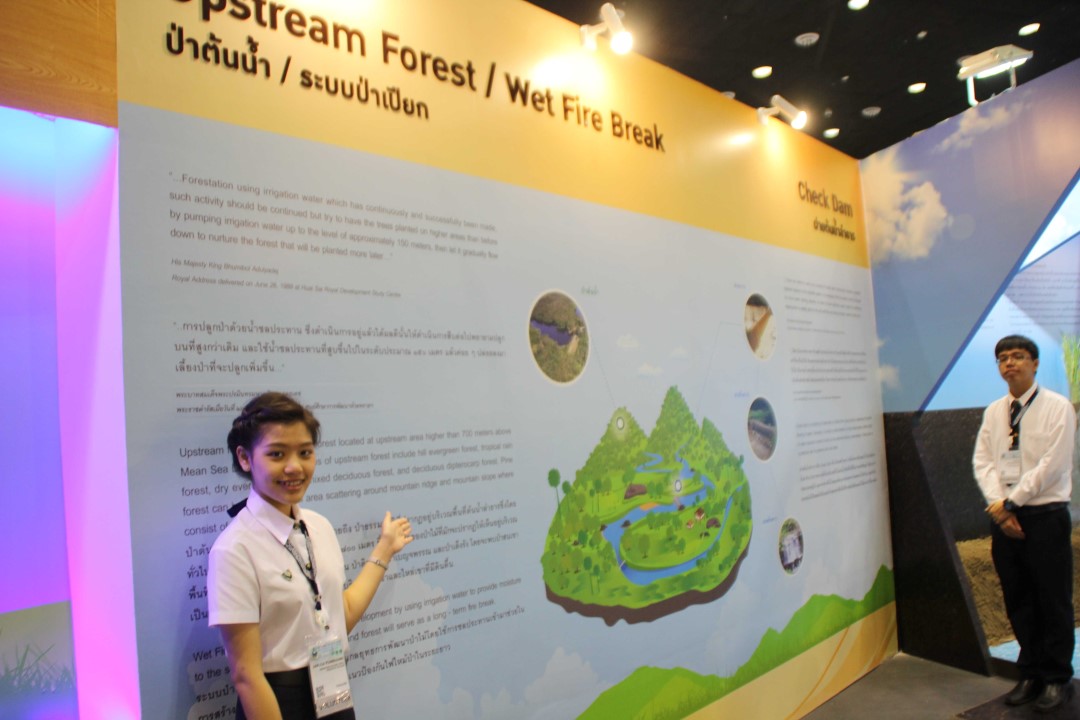
 2.นิทรรศการป่าต้นน้ำ/ระบบป่าเปียก เป็นการแสดงถึงพระอัจฉริยภาพในการพัฒนาป่าไม้โดยใช้การชลประทานเข้ามาช่วยในการสร้างความชุ่มชื้นให้ป่าไม้ เพื่อเป็นแนวป้องกันไฟไหม้ป่าในระยะยาว โดยเฉพาะในพื้นที่ป่าต้นน้ำที่เป็นป่าธรรมชาติ3.นิทรรศการฝายต้นน้ำลำธาร หรือ Check dam คือ สิ่งก่อสร้างขวาง หรือกั้นทางเดินของน้ำ ซึ่งปกติมักจะกั้นลำห้วย ลำธารขนาดเล็กในบริเวณที่เป็นต้นน้ำหรือพื้นที่ที่มีความลาดชันสูง ให้สามารถกักตะกอนอยู่ได้ และหากช่วงที่น้ำไหลแรงก็สามารถชะลอการไหลของน้ำให้ช้าลง และกักเก็บตะกอนไม่ให้ไหลลงไปทับถมลำน้ำตอนล่าง ซึ่งเป็นพระอัจฉริยภาพในการอนุรักษ์ดินและน้ำของพระบาทสมเด็จ พระปรมินทรมหาภูมิพลอดุลยเดช
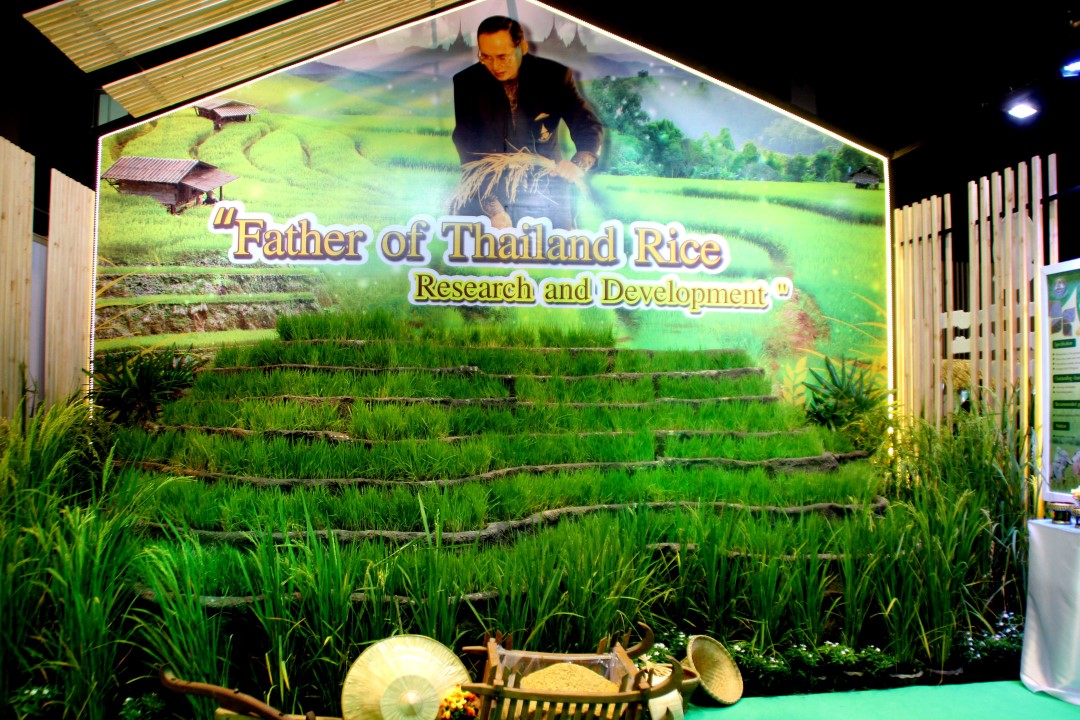
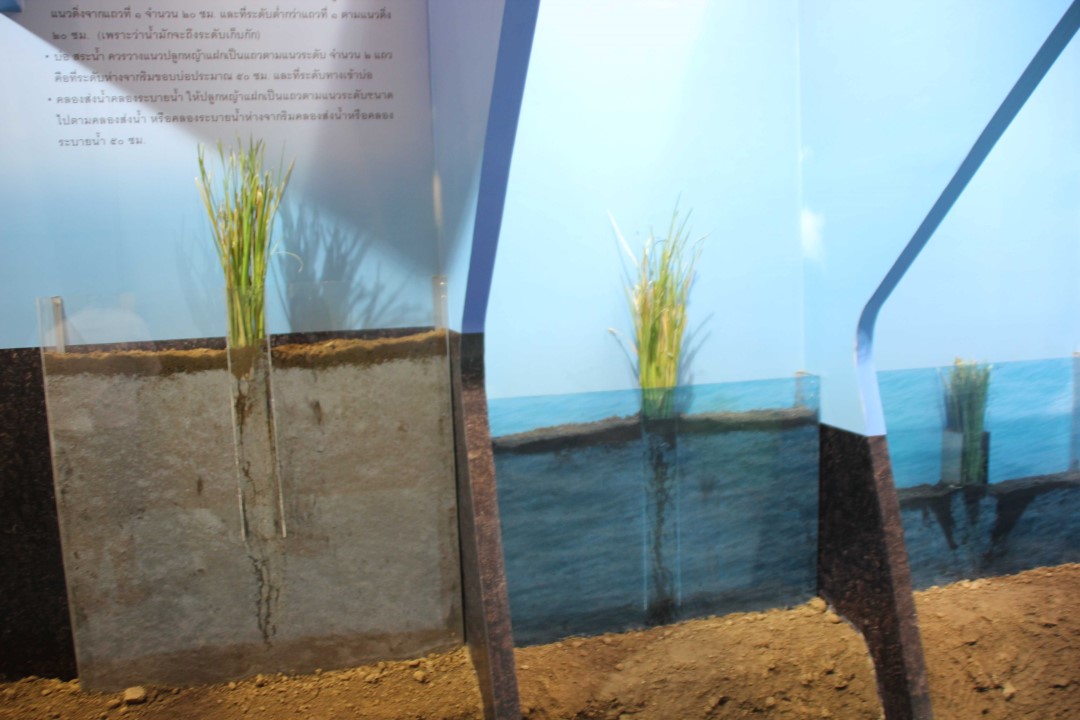 4.นิทรรศการหญ้าแฝก เป็นการแสดงพระอัจฉริยภาพในการใช้หญ้าแฝกในการอนุรักษ์ดินและน้ำ ป้องกันการพังทลายของดิน ทำให้แหล่งน้ำไม่ตื้นเขิน จะช่วยรักษาหน้าดิน ทำให้ดินอุดมสมบูรณ์ขึ้นอันจะเป็นการช่วยให้ป่าไม้ในบริเวณพื้นที่รับน้ำสมบูรณ์ขึ้นอย่างรวดเร็ว
5.อ่างเก็บน้ำ/เขื่อน เป็นนิทรรศการที่แสดงให้เห็นว่า พระบาทสมเด็จพระปรมินทรมหาภูมิพล อดุลยเดชได้ให้ความสำคัญกับการสร้างเขื่อนดังพระราชดำรัสเมื่อครั้งเสด็จเปิดเขื่อนภูมิพลเมื่อปี 2504 ความตอนหนึ่งว่า “เขื่อนนี้จะมีความสำคัญในการเสริมสร้างความเจริญของประเทศและความผาสุกสมบูรณ์ของประชาชน เพราะเมื่อก่อสร้างเขื่อนนี้เสร็จแล้ว ก็สามารถผลิตไฟฟ้าได้เป็นจำนวนมาก ช่วยให้ประชาชนได้มีไฟฟ้าใช้มากขึ้น เขื่อนยังอำนวยประโยชน์ในด้านการชลประทาน การคมนาคม และการบรรเทาอุทกภัย…” นอกจากนี้พระองค์ยังใช้อ่างเก็บน้ำสร้างปิดกั้นระหว่างหุบเขาหรือเนินสูง เพื่อแก้ไขปัญหาขาดแคลนน้ำและน้ำท่วมในพื้นที่ต่างๆ จะเห็นได้จากโครงการอ่างเก็บน้ำอันเนื่องมาจากพระราชดำริ ที่กระจายอยู่ทั่วทุกภูมิภาคอีกด้วย
 6.นิทรรศการฝายทดน้ำ/อาคารบังคับน้ำ/ประตูระบายน้ำ เป็นการจัดแสดงพระอัจฉริยภาพในการใช้อาคารชลประทานบริหารจัดการน้ำ โดยในพื้นที่ทำกินที่อยู่ระดับสูงกว่าลำห้วย ทรงเลือกใช้วิธีการก่อสร้างฝายหรือเขื่อนทดน้ำปิดขวางทางน้ำไหล เพื่อทดน้ำที่ไหลมาให้มีระดับสูงขึ้นจนสามารถผันเข้าไปตามคลอง หรือคูส่งน้ำให้แก่พื้นที่เพาะปลูก ส่วนน้ำที่เหลือจะไหลข้ามสันฝายไปเอง
7.นิทรรศการเครือข่ายอ่างเก็บน้ำ (อ่างพวง) เป็นรูปแบบการจัดการน้ำโดยใช้อ่างเก็บน้ำหลายอ่างเชื่อมเข้าหากัน โดยนำน้ำส่วนเกินจากอ่างหนึ่ง ผันไปเติมให้กับอ่างเก็บน้ำที่ขาดแคลนน้ำ ซึ่งเป็นอีกหนึ่งพระอัจฉริยภาพในการบริหารจัดการน้ำ
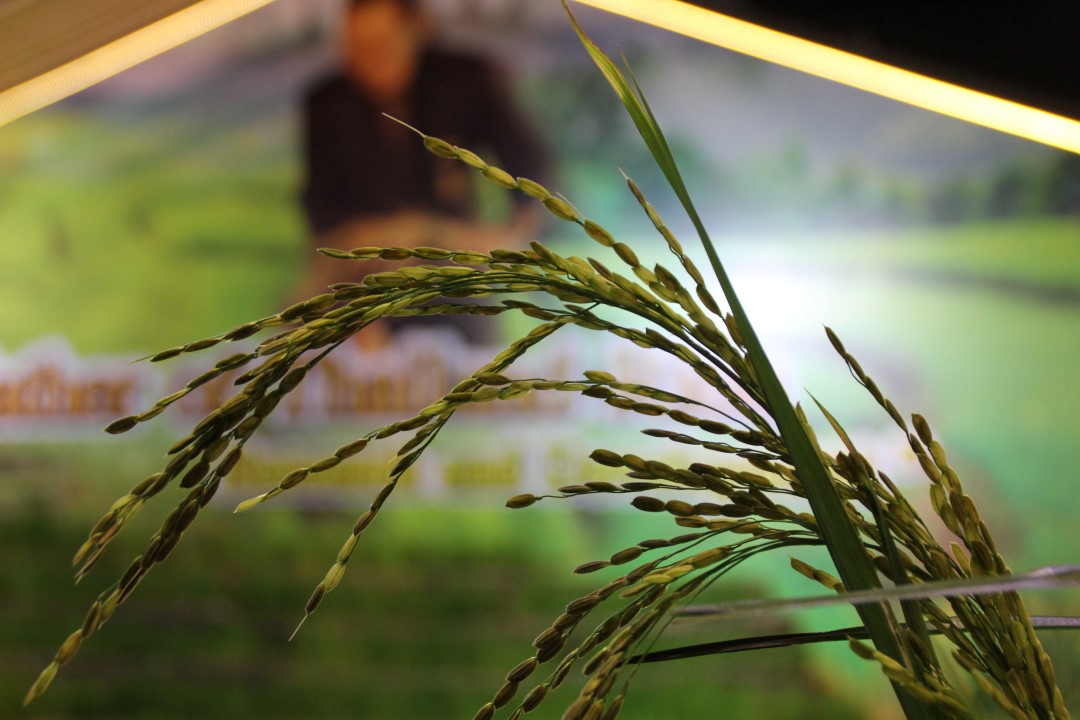 8.นิทรรศการทฤษฎีใหม่ เป็นการแสดงให้เห็นถึงการทำการเกษตรที่ยั่งยืนตามพระราชดำรัส “ทฤษฎีใหม่” คือ การดำเนินการในพื้นที่ทำกินที่มีขนาดเล็ก ด้วยวิธีการจัดการทรัพยากรระดับไร่นาอย่างเหมาะสม โดยการจัดสรรการใช้ประโยชน์ในที่ดิน มีการจัดสร้างแหล่งน้ำในที่ดินสำหรับทำการเกษตรแบบผสมผสานอย่างได้ผล เพื่อให้เกษตรกรสามารถเลี้ยงตัวเองได้ ให้มีรายได้ไว้ใช้จ่ายและมีอาหารไว้บริโภคตลอดปี
9.นิทรรศการแก้มลิง เป็นการแสดงให้เห็นถึงพระอัจฉริยภาพในการบริหารจัดการน้ำโดยใช้แก้มลิง ในการชะลอน้ำหรือพื้นที่เก็บกักน้ำ เพื่อลดปัญหาน้ำท่วม และชะลออัตราการไหลของน้ำผิวดินที่เกิดจากการไหลที่เพิ่มขึ้น โดยการใช้พื้นที่ระบายน้ำก่อนปล่อยให้ไหลลงสู่ระบบระบายน้ำสาธารณะ ซึ่งจะนำตัวอย่างแก้มลิงที่ดำเนินการประสบสำเร็จมาแล้วจัดนิทรรศการ เช่น แก้มลิงคลองมหาชัย-คลองสนามชัย จ.สมุทรสาคร แก้มลิงหนองใหญ่ จ.ชุมพร แก้มลิงหนองสมอใส เป็นต้น
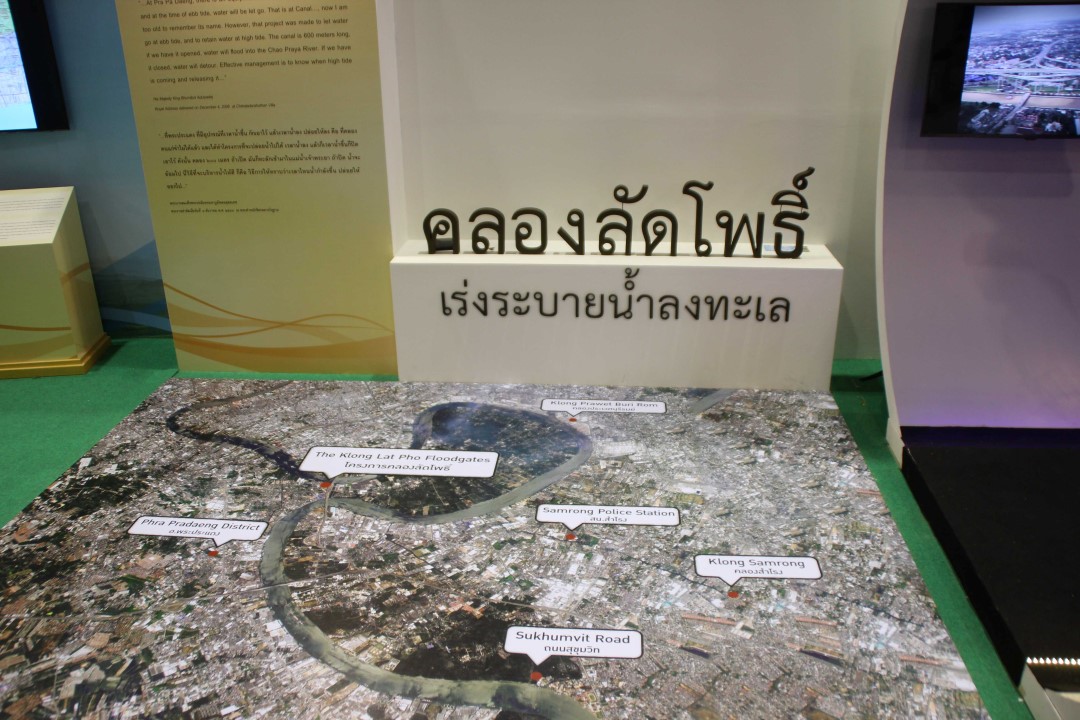
10.นิทรรศการระบบระบายน้ำ เป็นการแสดงให้เห็นถึงพระอัจฉริยภาพในการแก้ไขปัญหาน้ำท่วม ด้วยการการก่อสร้างทางผันน้ำ หรือขุดคลองลัด เชื่อมต่อกับแม่น้ำที่มีปัญหาน้ำท่วม โดยมีหลักการอยู่ว่า จะผันน้ำในส่วนที่ไหลล้นตลิ่งออกไปจากลำน้ำโดยตรง ปล่อยน้ำส่วนใหญ่ที่มีระดับไม่ล้นตลิ่งให้ไหลอยู่ลำน้ำเดิมตามปกติ เช่น การดำเนินโครงการคลองลัดโพธิ์ อันเนื่องมาจากพระราชดำริ เป็นต้น
 11.นิทรรศการระบบป้องกันน้ำเค็ม เป็นนิทรรศการแสดงให้เห็นถึงพระอัจฉริยภาพในการพัฒนา แหล่งน้ำ เพื่อการป้องกันน้ำเค็ม โดยการก่อสร้างประตูระบายน้ำเพื่อป้องกันการรุกล้ำของน้ำเค็ม ทำให้สามารถใช้น้ำจืดบริเวณด้านเหนือประตูระบายน้ำทำการเกษตรได้ เช่น การดำเนินโครงการพัฒนาลุ่มน้ำ ปากพนังอันเนื่องมาจากพระราชดำริ เป็นต้น
2.นิทรรศการเครื่องกลเติมอากาศ เป็นการแสดงให้เห็นถึงพระอัจฉริยภาพในการแก้ปัญหาคุณภาพน้ำ โดยเครื่องกลเติมอากาศที่ผิวน้ำหมุนช้าแบบทุ่นลอย หรือ “กังหันน้ำชัยพัฒนา” ซึ่งมีใบพัดเคลื่อนน้ำและซองรับน้ำไปสาดกระจายเป็นฝอยเพื่อให้สัมผัสกับอากาศได้อย่างทั่วถึงเป็นผลให้ออกซิเจนในอากาศสามารถละลายเข้าไปในน้ำได้อย่างรวดเร็ว และในช่วงที่น้ำเสียถูกยกขึ้นมากระจายสัมผัสกับอากาศตกลงไปยังผิวน้ำ จะทำให้เกิดฟองอากาศจมตามลงไป ก่อให้เกิดการถ่ายเทออกซิเจนอีกส่วนหนึ่ง ซึ่งกังหันน้ำชัยพัฒนาแบบนี้จะใช้ประโยชน์ได้ทั้งการเติมอากาศ การกวนแบบผสมผสานและการทำให้เกิดการไหลตามทิศทางที่กำหนด
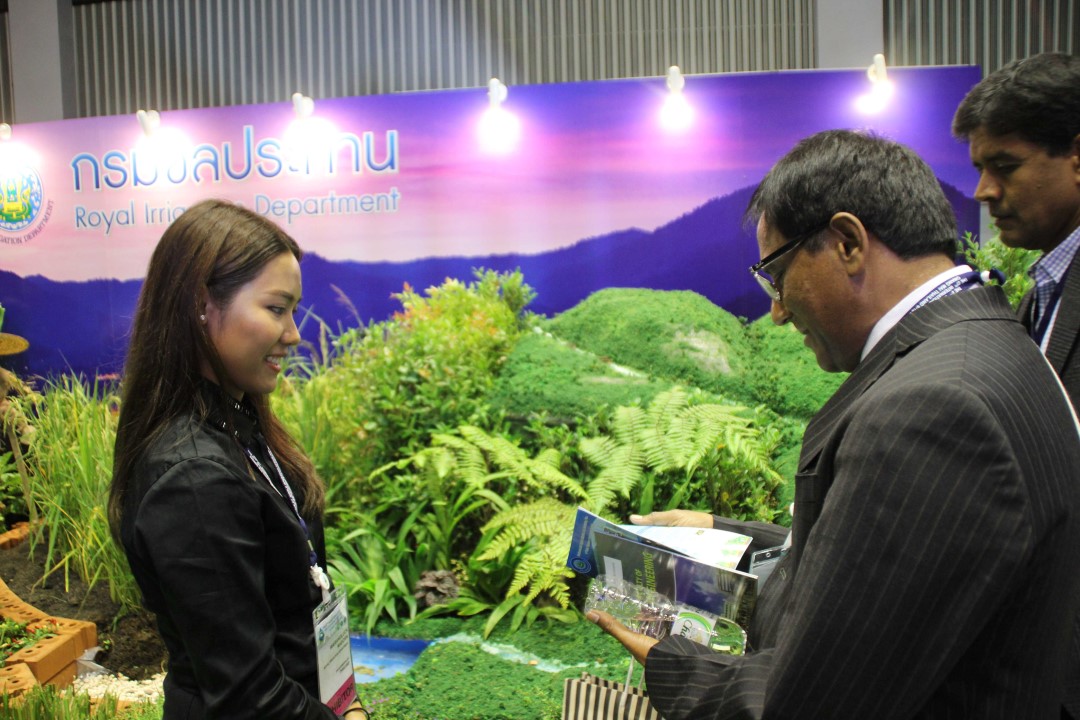
13.นิทรรศการการบำบัดน้ำเสียด้วยวิธีทางธรรมชาติ เป็นนิทรรศการที่แสดงให้เห็นถึงการแก้ปัญหาสิ่งแวดล้อม น้ำเสีย ขยะ ของพระองค์ท่านโดยใช้วิธีธรรมชาติ ซึ่งได้ดำเนินการที่โครงการศึกษาวิจัยและพัฒนาสิ่งแวดล้อมแหลมผักเบี้ยอันเนื่องมาจากพระราชดำริ เป็นเทคโนโลยีที่เรียบง่ายมี 4 ระบบคือ ระบบบ่อบำบัดน้ำเสีย ระบบพืชและหญ้ากรองน้ำเสีย ระบบพื้นที่ชุ่มน้ำเทียม และระบบแปลงพืชป่าชายเลน
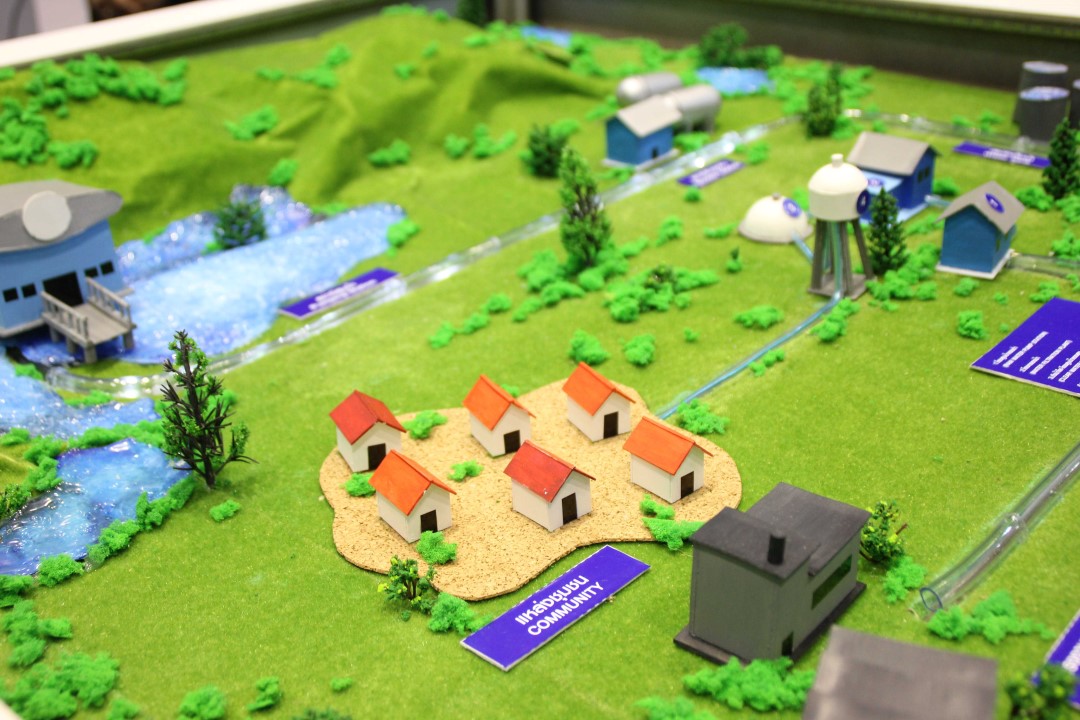
 รัฐมนตรีว่าการกระทรวงเกษตรฯ กล่าวต่อว่า กระทรวงเกษตรฯยังได้จัดทำแบบจำลองศูนย์ศึกษาการพัฒนา อันเนื่องมาจากพระราชดำริ ทั้ง 6 ศูนย์ คือ ศูนย์ศึกษาการพัฒนาภูพานอันเนื่องมาจากพระราชดำริ จ.สกลนคร ศูนย์ศึกษาการพัฒนาห้วยฮ่องไคร้อันเนื่องมาจากพระราชดำริ จ.เชียงใหม่ ศูนย์ศึกษาการพัฒนาเขาหินซ้อนอันเนื่องมาจากพระราชดำริ จ.ฉะเชิงเทรา ศูนย์ศึกษาการพัฒนาห้วยทรายอันเนื่องมาจากพระราชดำริ จ.เพชรบุรี ศูนย์ศึกษาการพัฒนาพิกุลทองอันเนื่องมาจากพระราชดำริ จ.นราธิวาส และศูนย์ศึกษาการพัฒนาอ่าวคุ้งกระเบนอันเนื่องมาจากพระราชดำริ จ.จันทบุรี มาแสดงในบริเวณโซนที่ 1 อีกด้วย
สำหรับโซนที่ 1 ที่จัดนิทรรศการเฉลิมพระเกียรติดังกล่าว จะเปิดให้ประชาชนทั่วไปสามารถเข้าชมได้ในวันที่ 7-8 พฤศจิกายน 2559 ซึ่งถือเป็นโซนที่มีความหมายและความสำคัญของคนไทย เพราะได้รวบรวมนิทรรศการโครงการอันเนื่องมาจากพระราชดำริที่สำคัญๆ ถึง 13 เรื่องราว และแบบจำลองศูนย์ศึกษาการพัฒนาอันเนื่องมาจากพระราชดำริ ทั้ง 6 ศูนย์มาจัดแสดงไว้ในพื้นที่เดียวกัน
นอกจากนี้กระทรวงเกษตรฯ โดยกรมชลประทานยังจะใช้ศูนย์ศึกษาการพัฒนาห้วยฮ่องไคร้อันเนื่องมาจากพระราชดำริ อำเภอดอยสะเก็ด จังหวัดเชียงใหม่ เป็นสถานที่ต้อนรับและดูงานของผู้เข้าร่วมประชุมระดับรัฐมนตรีและผู้ที่สนใจ เพื่อแสดงให้เห็นถึงพระอัจฉริยภาพด้านการบริหารจัดการน้ำของพระบาทสมเด็จพระปรมินทรมหาภูมิพลอดุลยเดช ที่พลิกผืนดินที่แห้งแล้งกว่า 8,500 ไร่ ให้เป็นผืนดินที่อุดมบูรณ์ จนกลายเป็นศูนย์การศึกษาที่สมบูรณ์แบบ ก่อให้เกิดประโยชน์ต่อราษฎรที่จะเข้ามาศึกษาเรียนรู้กิจกรรมต่างๆ แล้วนำไปใช้ปฏิบัติอย่างได้ผล ทั้งการพัฒนาพื้นที่ป่าไม้ การพัฒนาแหล่งน้ำ ตลอดจนการส่งเสริมการประกอบอาชีพต่างๆ ไม่ว่า การเกษตร การประมง ปศุสัตว์ รวมทั้งด้านการเกษตรอุตสาหกรรมอีกด้วย ดังมีพระราชดำริว่า ให้ศูนย์ศึกษาการพัฒนาฯ ทำหน้าที่เสมือน “พิพิธภัณฑ์ธรรมชาติที่มีชีวิต” หรืออีกนัยหนึ่งเป็น “สรุปผลของการพัฒนา” ที่ประชาชนจะเข้าไปเรียนรู้และนำไปปฏิบัติได้
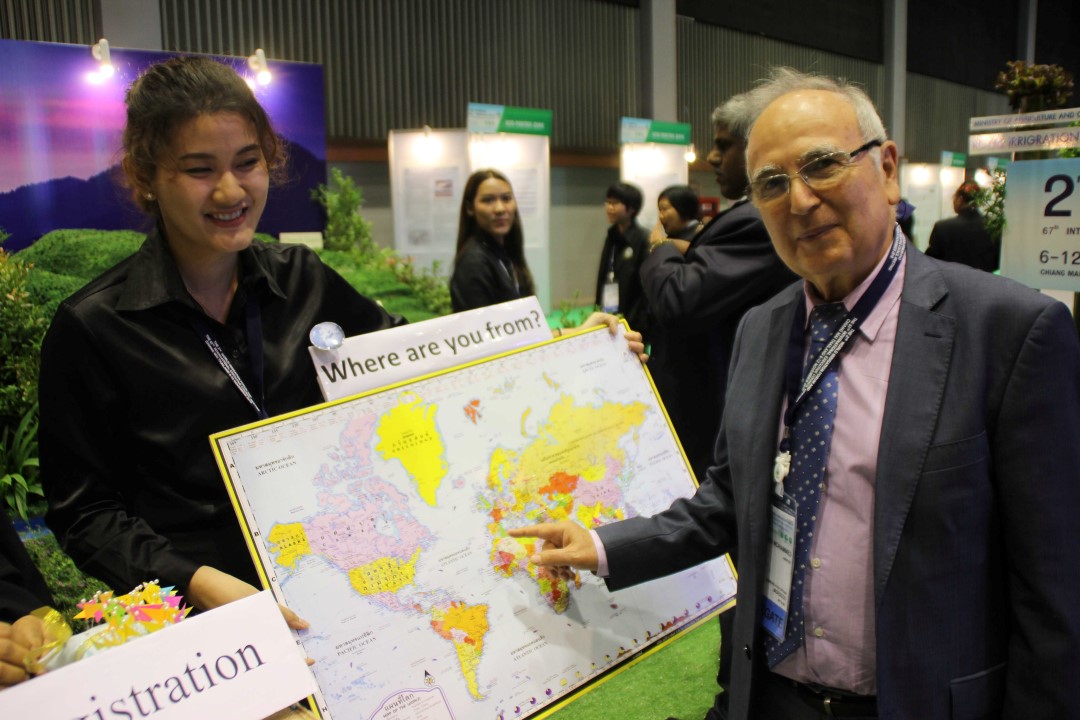
 “การประชุมชลประทานโลกในครั้งนี้ ยังให้ความสำคัญกับเกษตรกรในระดับรากหญ้า โดยเปิดโอกาสให้เกษตรกรผู้ได้รับประโยชน์จากการพัฒนาระบบชลประทาน เข้าร่วมแลกเปลี่ยนเรียนรู้กับเกษตรกรของต่างประเทศ ทั้งนี้ในส่วนของประเทศไทยได้คัดเลือก Smart Farmer หรือ เกษตรกรปราดเปรื่อง จำนวน 8 คน เข้าร่วมประชุมและร่วมพบปะหารือแลกเปลี่ยนองค์ความรู้ในด้านต่างๆ กับ Smart Farmers จาก 5 ประเทศ ได้แก่ ซูดาน อินเดีย อิหร่าน อิรัก และเกาหลีใต้ รวม 16 คน ซึ่งถือเป็นการพัฒนาต่อยอดความรู้ ความสามารถ ความเข้มแข็ง ทักษะ ประสบการณ์ใหม่ๆ และเพิ่มศักยภาพในการประกอบอาชีพเกษตรกรรม ของเกษตรกรรุ่นใหม่ ซึ่งจะนำไปสู่การพัฒนาการเกษตรในอนาคตอย่างมั่นคง ยั่งยืน เพื่อผลักดันให้ไทยเป็นศูนย์กลางการผลิตสินค้าเกษตรและอาหารของโลกตามนโยบายของรัฐบาล” พล.อ.ฉัตรชัย กล่าว
Over 45 countries join in remembrance of H.M. the King’s talent in water management,
WIF presents 13 water-management achievements from 6 Royal initiated Projects
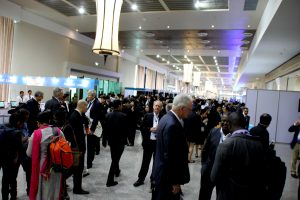
6 November, 2016 – Approximately 1,200 meeting participants from more than 45 countries across the world gather in remembrance of the late King Bhumibol Adulyadej and his royal grace to Thailand at the 2nd World Irrigation Forum. An exhibition will also be utterly devoted to 13 stories regarding his true wisdom in the water management, while the Huai Hong Khrai Royal Development Study Center will open as a living natural museum for ministers and meeting participants.
Today, Agriculture and Cooperatives Minister General Chatchai Sarikulya presided over an inauguration of the 2nd World Irrigation Forum (WIF2) and the 67th International Executive Council Meeting (67th IEC Meeting) at Chiang Mai International Exhibition and Convention Center Commemorating His Majesty’s 7th Cycle Birthday Anniversary in Chiang Mai province during 6-12 November 2016.
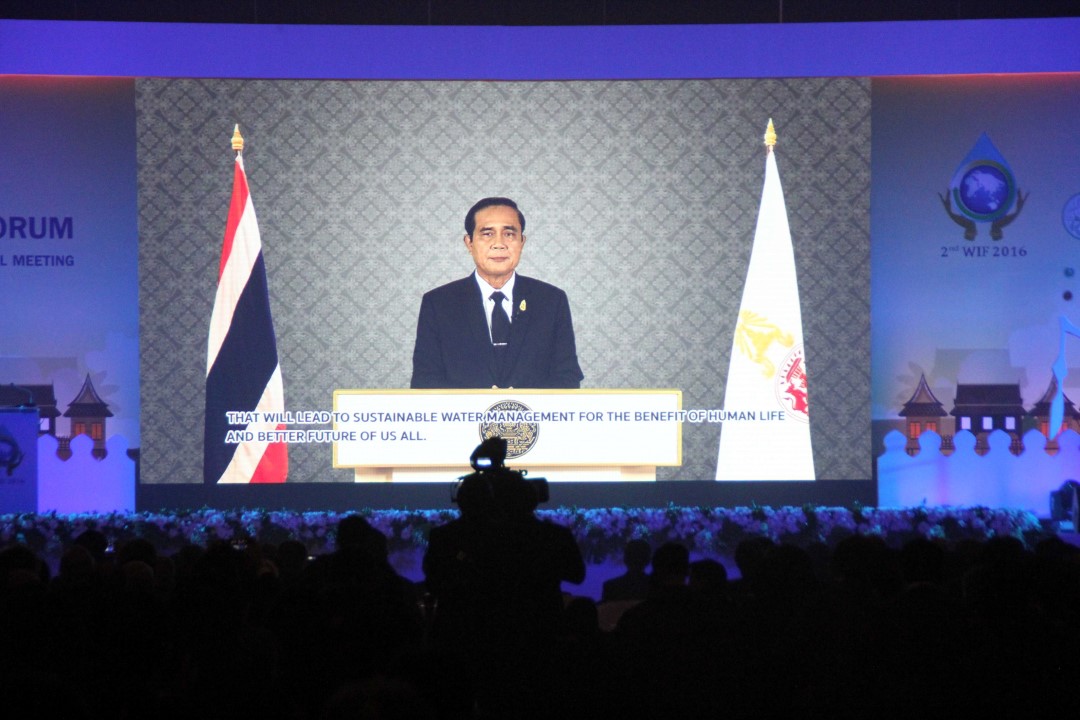
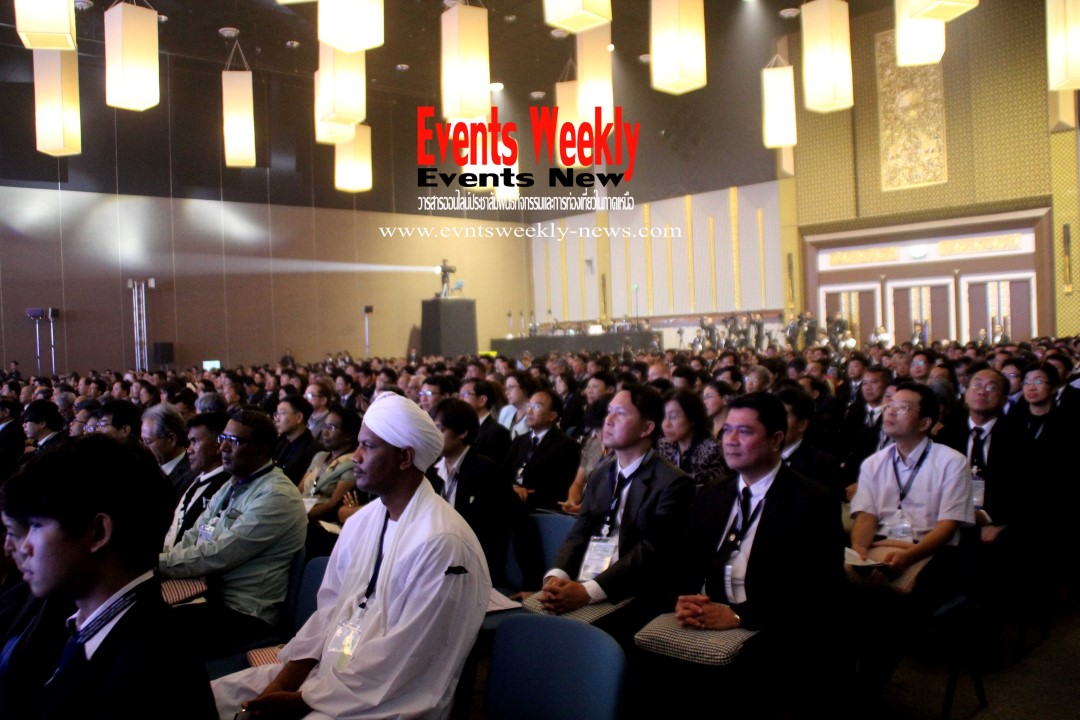
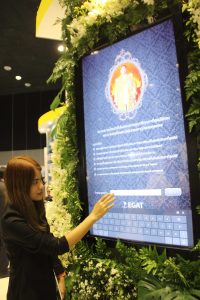
Gen. Chatchai said that apart from having the WIF2 and 67th IEC Meeting with the main theme on “Water Management in a Changing World: Role of Irrigation for Sustainable Food Production,” Thailand’s Ministry of Agriculture and Cooperatives has organized this meeting in the remembrance of the late KIng Bhumibol Adulyadej, and his royal grace and wisdom in the water management through the exhibition of his work and royal initiative projects. Simultaneously, a specific area will be fully dedicated to the participants and Thai people to pay their respect to the late King Bhumibol Adulyadej and sign their names for condolence.
The exhibition will be put in place at Zone 1, the zone for the late King’s tribute, while demonstrating his water management projects with his royal grace. One of his recommendations will also be presented at the exhibition. It is stated “Water is a key factor for humanity. It’s not only for humans, but also for living things. Both animals and plants require water. If there is no water, they cannot live as water is a mean or a key factor of being living creatures. My saying on this matter is to answer why the irrigation projects and environmental projects on treating water are two primary concerns. If these two elements are well put in place, others will follow.” At the exhibition, 13 topics portraying his genius in the water management will be presented in both Thai and English languages. The topics include:
- Exhibition on Royal Rainmaking Project for tackling draught problems. By the late King’s wisdom, artificial rain forced to fall in targeted areas has assistted Thailand’s agricultural and forest areas of more than 173 million rai (27.6 million ha) for more than 30 years.
- Exhibition on Watershed Forest/Wet Fire Break. His wisdom on forest development is combined with irrigation to bring moisture to forests, particularly natural watershed forests, as a means to set fire breaks in the long term.
- Exhibition on Check Dam. A check dam is a barrier built across a waterway, normally a creek or a small stream in a watershed or steep area, to settle sediments and lower speed of water flow, if high, retain and prevent sediments from flowing to the downstream. This is the late King Bhumibol Adulyadej’s wisdom for soil and water preservation.
- Exhibition on Vetiver Grass. It is his wisdom that vetiver grass is planted to conserve soil and water, prevent soil erosion and shallow water sources, preserve top soil, and provide richer soil for more rapidly abundant forests in the areas that absorb water.
- Exhibition on Reservoir/Dam. This exhibition shows that the late King Bhumibol Adulyadej paid attention on construction of dams as stated when he presided over an opening of Bhumibol Dam in 1961. One of his then statements is “This dam will play a key role in bolstering the country’s prosperity and people’s wealth as the dam, once completed, will generate a large amount of electricity and, then, help people to have more electricity to use. The dam will also assist in irrigation, transportation and flood relief.” Furthermore, he rendered initiatives on water reservoirs built across valleys or high lands to relieve problems regarding water shortage and floods in several areas. This can be seen from the Royal water reservoir projects across all regions.
- Exhibition on Weir/Regulator/Flood Gate. This demonstrates his wisdom in the use of irrigation regulators for water management in cultivation areas that are higher than creeks. Selectively, he suggested a weir or a dam built across a waterway for water irrigation at a higher level so that water could be diverted into a canal or a ditch for cultivation and excess water could spill over the weir automatically.
7.Exhibition on Reservior Network. It is a platform for water management through connection of reservoirs. A reservoir’s excess water is diverted to another reservoir with water shortage. This is one of his wisdom in the water management.
- Exhibition on New Theory Agriculture. This demonstrates sustainable agriculture as recommended by the name “New Theory Agriculture.” Under the new theory, resources in a small growing area is properly managed through land allocation and arrangement of water sources for an effectively integrated farming system, allowing farmers to depend on their own with affordable income and sufficient food for a yearly consumption.
- Exhibition on Kaem Ling Project. This is his wisdom in the water management to lower the speed of water flow or reserve water in order to prevent floods through Kaem Ling or literally monkey’s cheek (flood inundation area). Kaem Ling is also used to reduce water flow velocity on the surface as a result of more water flow. The inundation area is used before releasing water into the public drainage system. The successful Kaem Ling projects will be exemplified in the exhibition. These include Kaem Ling: Maha Chai Canal-Sanam Chai Canal in Samut Sakorn, Kaem Ling: Nong Yai in Chumphon and Kaem Ling: Nong Samor Sai.
- Exhibition on Drainage System. His wisdom is demonstrated in flood reliefs through diversion channels or cut-offs which are connected with rivers with flood problems. In principles, excess water is diverted from a river and most of water is maintained in the river. An example is Klong Lad Pho Canal Flood Gate Project.
- Exhibition on Prevention of Saline Water. This exhibition shows his wisdom in the development of water sources to prevent saline water. A flood gate is built to prevent saline water, while fresh water upstream of the flood gate can be used for agriculture. An example is Pak Phanang River Basin Development Project.
- Exhibition on Aerator. This demonstrates his wisdom in water quality improvement through a low speed surface aerator, formally known as Chaipattana Aerator. The Chaipattana Aerator’s water spraying buckets are rotated, scoop water and spray water above the water surface, allowing oxygen being rapidly absorbed into the water. When wastewater is scooped up, exposed to the air, and released, it creates air bubbles which eventually drop below the water surface. This enhances effectiveness in oxygen transfer. This Chaipattana Aerator can be used for adding air, stirring water in an integrated manner, and controlling the flow of wastewater in a determined direction.
- Exhibition on Wastewater Treatment by Natural Means. This exhibition presents his superb capabilities to solve, with natural methods, polluted water and garbage problems. Such has been done at Royally-Initiated Laem Phak Bia Environmental Research and Development Project (LERD). Four simple technology methods are employed: oxidation pond treatment system; grass filtration system; artificially constructed wetland system; and mangrove ecosystem.
Thailand’s Agriculture and Cooperatives Minister said that the Ministry also demonstrated models from the six royal development projects as showcase at the exhibition. They include Phu Phan Royal Development Study Center in Sakon Nakhon; Huai Hong Khrai Royal Development Study Center in Chiang Mai; Khao Hin Sorn Royal Development Study Center in Chachoengsao; Huai Sai Royal Development Study Project in Petchaburi; Pikunthong Royal Development Study Center in Narathiwat; and Kung Krabaen Bay Royal Development Study Project in Chanthaburi.
The exhibition at Zone 1 will open for the general public during 7-8 November 2016. This zone is meaningful and of importance for Thai people as 13 royal initiative projects are gathered with models of six royal development study centers in one area.
In addition, the Ministry’s Royal Irrigation Department will set Huai Hong Khrai Royal Development Study Center in Doi Saket District, Chiang Mai province as the welcome place for ministerial participants and those interested. This aims at demonstrating the late King Bhumibol Adulyadej’s wisdom in the water management. He turned the combined arid areas of over 8,500 rais (1,360 ha) into the abundant land with a perfect development study center. Given this center, people can study and learn its activities and employ them in practices extending from development of forestry areas and water sources, and occupational promotion in agriculture, fishery, husbandry and agro-industry. It is reflected in his initiative for the development study center to perform its duty as the “living natural museum” or, alternatively, “summary of the development” for people to learn and practice.
“This WIF pays attention on grass-root farmers. Those gaining from the irrigation system will be given opportunities for exchange and sharing their ideas with overseas farmers. For Thailand, eight smart farmers have been selected to attend the forum and exchange knowledge, and discuss with 16 smart farmers from five other countries including Sudan, India, Iran, Iraq and South Korea. This (activity) is regarded as the extension of knowledge, capabilities, strength, skills, new experience and expertise in the agricultural profession of new generations of farmers. It will lead to future agricultural development with sustainability and drive Thailand onward as a center for the world’s agricultural products and food production as established in the Thai government’s policy,” Gen. Chatchai said.
Mr. Sanchai Ketworrachai, Director-General for Thailand’s Royal Irrigation Department and Chairman of the Thai National Committee on Irrigation and Drainage (THAICID), revealed that the 2nd WIF and 67th IEC Meeting will be comprised of approximately 1,200 participants at ministerial and high-ranking representatives from 45 countries. These include executives from education institutes and water and irrigation academics from both private and public agencies. Water-related Ministers from 9 countries will also attend the meetings, namely Bhutan, Nepal, Ethiopia, China, Indonesia, Pakistan, Cambodia, Laos and Thailand.
Three main objectives of this forum are 1) to search for direction of administration to create balance among water, food, energy and ecological systems; 2. to jointly determine means to properly cope with weather changes that affect the quantity of water for both flood and drought; and 3. to employ the irrigation and drainage systems to relieve poverty and hunger through establishment of direction for water source development which is regarded as the basic factor for promotion of small farmers’ farming.
“Thailand is greatly honoured to host the WIF and IEC Meeting this time as the International Commission on Irrigation and Drainage (ICID) agreed that Thailand is the country with the highest capability and readiness in irrigation in this region. Therefore, this is an important opportunity to have the world acknowledge the progress of Thailand’s irrigation which plays a key role to drive Thailand as the center for technological development in irrigation and drainage in ASEAN in the future. It will also stimulate the Thai economy with respect to tourism,” said Director-General for Thailand’s Royal Irrigation Department.
And most importantly, Thailand will gain three aspects of advantages from the forum. The first advantage is academic. Thai scholars will have chance to improve their capabilities in integration of necessary academic matters for administration of irrigation and drainage on the international stage, exchange knowledge and experience pertinent to irrigation with related parties across the world. That will bring about direction for administration to make balance among water, food, energy and ecological systems, while seeking means to cope with weather changes that affect inundation and drought. The second advantage is Thailand’s image. This is to demonstrate the country’s capability and readiness as the leader for hosting the region’s international conference, for administration of water at the regional level through the ministerial meeting, and for promotion of exchange of experience among leaders of developing countries (South-South Cooperation) and developed countries. The third advantage is the people and society. Thailand’s tourism will be promoted and income will be disseminated to the rural. There will be opportunities given for exchange of experiences among farmers, scholars and policy makers through a number of forum activities focusing on all sections in participation. Examples are public hearing and side events


More Stories
คณะทันตแพทยศาสตร์ มช. จัด Winter Breeze “วิชาการผ่านสายลมหนาว” แนะเทคโนโลยีการรักษาฟัน
ศิลปากรขุดสำรวจคาดว่าเป็นวัดอนาคามีที่ม่อนพญาหงส์ดอยสุเทพ
โครงการรักษ์น้ำเพื่อพระแม่ของแผ่นดิน